
Roulette
Roulette starts with the spin. The reading is straightforward: the focus is on the result of the round and on how you follow the table without mixing different formats.
Roulette, blackjack, baccarat, and poker seem close from the outside. Inside, each one calls for a different pace, another kind of decision, and its own reading of the table. Here, the focus is simple: compare formats, point out what to observe before choosing, and keep responsible gaming at the center of the reading.
No promises, no shortcuts. The interest here is context: understand the format before moving on to the right table.

A visual reading to start calmly: the theme calls for comparison, not haste.
If the table depends more on spins, cards, or confrontation between participants, the experience changes in practice. It is this detail that separates an intuitive choice from a more conscious one.
Not every table game calls for the same approach. Some are more straightforward. Others require continuous attention. Some depend on the spin, some combine decision and reading, and some make the dynamic more automatic. The best filter is comparing the right elements.
Compare by these criteria:
Roulette starts with the spin. The reading is straightforward: the focus is on the result of the round and on how you follow the table without mixing different formats.
Blackjack expands player participation. Cards, decisions, and the sequence of actions all come into play, so attention shifts from one place to another with each hand.
In baccarat, the dynamic tends to be more streamlined. What matters is noticing how the round unfolds and what the table’s cadence is before getting involved.
Poker is another path. Here, the contest between participants carries more weight, and reading the table involves behavior, decision time, and the round’s context.
Before joining in, it’s worth observing not only the game name, but also how the table is organized and what the basic sequence of each round is. In table games, understanding the flow avoids confusing waiting with slowness and decision-making with impulse. This helps separate what depends on choice from what depends only on the table’s natural pace, without trying to apply the same logic to different formats.
It’s also useful to pay attention to the level of participation each game asks for. In some, the player’s role appears at very defined moments; in others, attention needs to be continuous, even when there is no immediate action. Reading that difference in advance makes it easier to adapt to the table’s pace and reduces the chance of jumping in without understanding where the decision really happens.
Another important point is identifying how long it takes you to interpret the visible information. In faster games, reading needs to be objective and without too much mental step-by-step processing. In tables with more layers, observing the order of events and the role of each round helps maintain clarity. The ideal is to enter knowing what to follow, instead of figuring it out in the middle of the action.
It also makes a difference to notice whether the table favors constant observation or intervals between one decision and another. That detail changes how you follow the game, because there are tables where what matters most is the instant of the round and others where the accumulated context weighs more. When that rhythm is clear, it becomes easier to compare games without creating wrong expectations about each one’s dynamic.
Before moving on, notice whether the table matches your way of reading. Some games call for attention to immediate developments; others require looking at the sequence and the overall behavior of the match. This distinction is useful for not mixing styles and for recognizing where your concentration will be best used. The initial focus should be on understanding the structure, not speeding up entry.
Finally, it’s worth remembering that the best preparation is simple: know the format, identify the pace, and know where your attention needs to stay. With that foundation, each table stops seeming generic and starts showing its own demands. That makes comparison more practical and helps you choose more carefully before any next step.
A table doesn’t say everything on its own. What really helps is observing the game design, the way decisions are made, and the kind of attention it asks for. This comparison avoids mixing roulette with blackjack, or poker with baccarat, as if they were the same thing.
When the round depends on the spin, the reading is more objective and the focus stays on the result of that action.
When cards are at the center of the table, the sequence matters and attention needs to follow each step.
When there is competition between participants, the table starts to require reading behavior and pace.
Some games are more automatic; others call for pauses, choices, and continuous observation.
After noticing spin, cards, contest, and pace, it’s worth cross-checking these points with what each table asks of the player in practice. In fast-decision games, comparison becomes easier when you notice whether the action is direct or depends on several choices in a row. In tables with more steps, the weight is not only on the final result, but also on the path to it, the time spent, and the way the play is followed.
Another useful filter is understanding how much room the table leaves for interpretation. There are games where the reading is almost immediate, because each round has a very closed format. In others, the same table may seem simple at first glance, but it requires attention to the fit between rules, the moment of decision, and the behavior around the action. This helps separate quick impression from real analysis.
It also makes a difference to compare the table by the kind of attention it consumes. Some call for continuous observation and recent memory; others allow pauses without losing much context. When you look at that detail, it becomes easier to avoid rushed comparisons between games that seem similar but demand different skills. The focus stops being only the name of the mode and shifts to the reading experience it requires.
If the idea is to choose better, always compare the table format with your own way of following the match. A more direct game may be more comfortable for those who prefer simplicity; another, with more layers, usually works better for those who like to observe patterns and wait for the right moment. This practical reading reduces confusion and makes the comparison between tables more consistent.
“Knowing before choosing avoids the most common confusion: treating different table games as if they all required the same reading.”
That idea applies to anyone who wants to navigate with more context and less impulse. The table name matters, but the format matters even more.
Blackjack and poker usually demand more decision-making than roulette. That doesn’t mean one is “better” than the other. It means the experience changes, and the reading needs to keep up with that change.
Roulette and baccarat, for many people, work as entry points because they are easier to compare. Even so, each one has its own logic. Mixing everything together only gets in the way.
If you’re reading futsal as a discovery portal, it’s worth looking at nearby paths without losing focus. Slots, live casino, and sports appear as related topics, but they do not replace the logic of table games. Each area has its own way of being read.
This separation helps avoid mental shortcuts. Anyone who compares well sees more clearly the difference between a card table, a spin game, and a sports page. The result is cleaner navigation and a more conscious choice.
Short answers, no fluff. The goal is to clarify the vocabulary and separate the formats.
If reading about table games already made sense, it’s worth moving on to topics that connect with that interest. You can open responsible gaming, review about, consult terms or go to contact.


Guias para aprofundar o assunto, no seu ritmo.
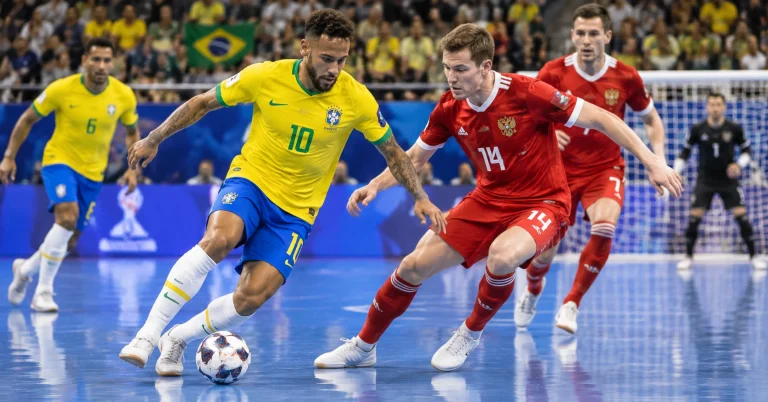
Analyzenn komplek Futsal Brasil x Russia : Kounkurans bras Kontenu Kontest istorik Futsal Brasil x Russia Konparazon : Pehini tim futsal Brasil ? Chanpyon
Ler artigo ↗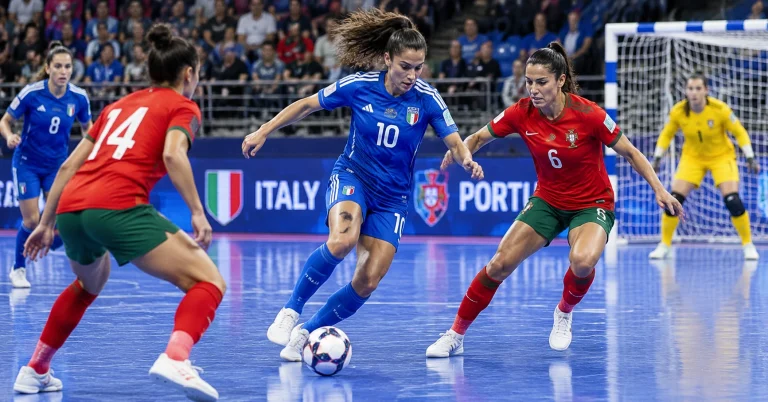
Kontign Italia Portugal Futsal Feminino: anailzenn ar c’hoari Hentenn hollek evit deskiñ e futsal Juan Carlos Ceriani Gravier: krouer ar futsal Perak ne vez
Ler artigo ↗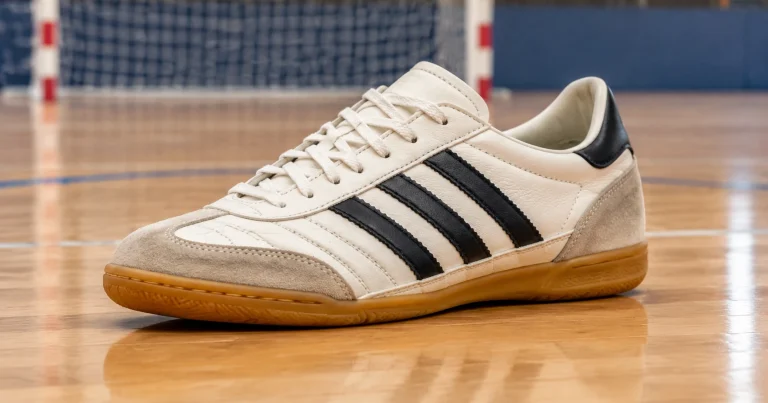
Gouzout a chuteira adidas futsal antiga: stil klasel ha kargañ e gwirionez Roll an danvez Istor ha diorren ar chuteira adidas futsal antiga Mouezhioù penn
Ler artigo ↗