
Guia de leitura
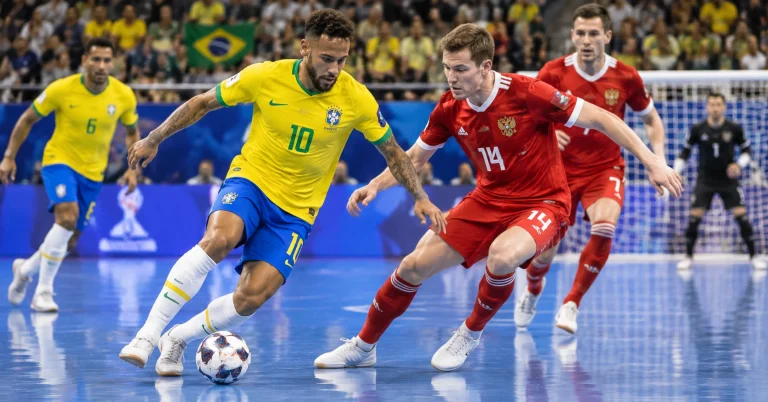
Analyzenn komplek Futsal Brasil x Russia : Kounkurans bras
Analyzenn komplek Futsal Brasil x Russia : Kounkurans bras Kontenu Kontest istorik Futsal Brasil x Russia Konparazon : Pehini tim futsal Brasil ? Chanpyon
Ler artigo ↗When it comes to sports, what changes is not just the score. The way you observe the game changes, the type of market that makes sense changes, and the time the reader wants to dedicate to the decision changes too. Here, the focus is on what helps compare formats, understand pre-game, and see live action without rushing.

Not every sports bet calls for the same attention. In some cases, the reader wants to understand the winner. In others, they look for goals, handicap, or corners. The point is not to memorize names, but to notice which angle best fits the game in front of you.
Before deciding, it is worth looking at the full scenario and not just the market name. In futsal, the score usually changes quickly, and that alters the reading of any choice. For that reason, the weight of home advantage, the teams’ current form, and the way they defend or attack helps avoid a loose analysis. A market may seem simple, but it loses meaning when it is disconnected from the way the match tends to unfold.
It is also useful to separate what is a trend from what is an impulse. A team may have started well, but that does not replace observing the playing pattern, consistency, and reaction when they are behind. In futsal, pressure on the ball exit, quick switches, and constant presence in attack can create situations that affect several markets at the same time. Understanding this relationship helps avoid looking only at an isolated number.
Another important point is reading time. There are markets that make more sense when the game is still open, while others call for a more patient view, with attention to rhythm and fatigue. In futsal, intensity usually appears early, but that does not always mean predictability. Observing the transition between defense and attack, as well as the positioning of the lines, helps show whether the match is leaning more toward control or toward faster exchanges.
The team composition also matters a lot. If there is a player with a lot of influence in the attacking build-up, the market may depend more on creativity than on brute force. If the marking is compact, the reading tends to shift toward details such as mid-range shots, regained possession, and making the most of the few openings. Instead of looking for a single rule, the ideal is to understand which futsal trait is dominant in that matchup.
It is advisable to avoid decisions based only on habit. The market that worked in another match may not be useful when the opponent changes posture, closes spaces, or speeds up possession changes. For that reason, comparing styles is more useful than repeating a ready-made logic. In the futsal context, small tactical adjustments greatly alter the dynamics and can completely change the kind of reading that makes sense.
In the end, the choice improves when the reader combines context, rhythm, and fit between the teams. It is not about looking for the most eye-catching option, but the one that best fits the specific match. When this reading is done carefully, the market stops being a loose guess and becomes the result of a more organized observation of the game.
Before the match, the analysis starts before the ball rolls. The reader looks at the scenario, compares expectations, and decides whether the chosen market matches what they expect from the game. Live, the focus changes. The game delivers new signals, and each play can alter the weight of the previous reading.
For that reason, the same event can lead to very different decisions. A slow match at the start may take on another shape after halftime. A team that seemed comfortable may lose control of the rhythm. And a market that seemed simple may become more delicate when the game speeds up.

Before the match, it is worth observing whether the game tends to be more open or more locked down, because that changes the usefulness of each market. Live, the real rhythm appears in sequence: possession, pressure, fouls, line changes, and the teams’ emotional response. When that shape changes, the previous reading may lose strength. For that reason, it is useful to separate what was a prediction from what has already become fact on the court.
It also helps to set a limit on attention so you do not react to every isolated play. Instead of looking for immediate confirmation, the reader can compare the current behavior with the expected pattern and decide whether it still makes sense to keep the choice. This discipline reduces impulses and makes the analysis more stable, especially in games where the scenario changes quickly and the same match calls for continuous adjustments.

Not every visitor comes to futsal with the same intention. Some want to follow sports. Others prefer table games. Some look for slots or live casino. Comparing formats helps separate what is rhythm, what is reading, and what is personal preference.
This distinction is useful because each area calls for a different kind of attention. In sports, the ongoing game matters. In slots, the interest is usually in the format. In live casino, visual interaction carries more weight. In table games, the rules are usually the center of the reading.
| Format | What to look at | When the reading gains strength |
|---|---|---|
| Sports | Markets, pre-match, live, and match context. | When the reader wants to relate the game to a concrete scenario. |
| Table games | Rules, pace, and differences between tables. | When the choice depends on structure and not on haste. |
| Slots | Format, visual rhythm, and personal preference. | When the goal is to understand the game experience. |
| Live casino | Broadcast, table dynamics, and real-time reading. | When observing the game matters more than the initial expectation. |

Guias para aprofundar o assunto, no seu ritmo.
Analyzenn komplek Futsal Brasil x Russia : Kounkurans bras Kontenu Kontest istorik Futsal Brasil x Russia Konparazon : Pehini tim futsal Brasil ? Chanpyon
Ler artigo ↗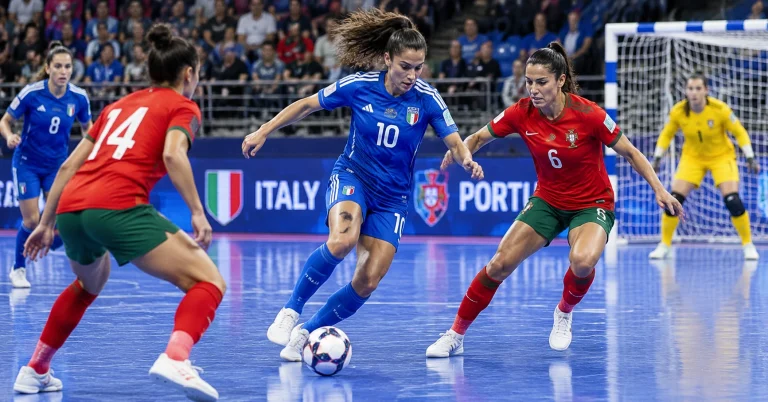
Kontign Italia Portugal Futsal Feminino: anailzenn ar c’hoari Hentenn hollek evit deskiñ e futsal Juan Carlos Ceriani Gravier: krouer ar futsal Perak ne vez
Ler artigo ↗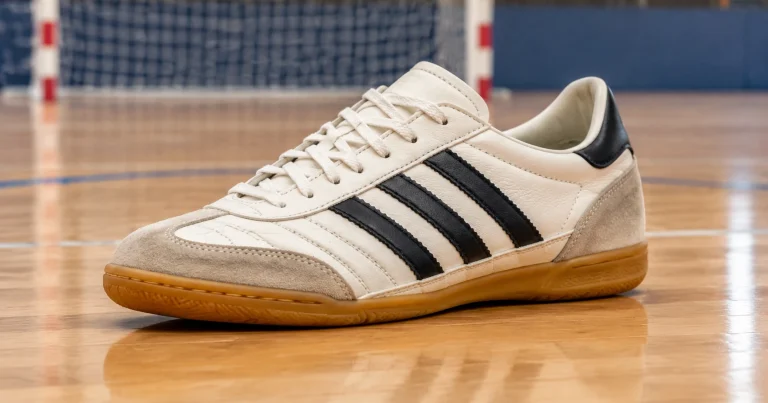
Gouzout a chuteira adidas futsal antiga: stil klasel ha kargañ e gwirionez Roll an danvez Istor ha diorren ar chuteira adidas futsal antiga Mouezhioù penn
Ler artigo ↗